Beyond Land Use: Scaling Solar Through Embedded Infrastructure
Innovative solar is moving into everyday infrastructure—transport corridors, water bodies, vehicles, and urban spaces—turning idle surfaces into generation, co locating power with demand, easing land use pressures, and relieving grid constraints. This shift is driven by practicality and economics: maintainable designs, smarter controls and storage, and shorter, more resilient connections that lower whole life costs while accelerating decarbonisation. This article explores how five countries are putting these approaches into practice through some innovative solar projects.
Switzerland
In April 2025, Swiss start‑up Sun‑Ways unveiled a 100 m pilot in Buttes (Neuchâtel), installing 48 removable modules (≈18 kW) between live rails with an expected output of ~16,000 kWh/year. The system can be installed and lifted by a mechanised maintenance train, preserving track access. Approved for a three‑year trial, it positions rail corridors as scalable PV real estate without additional land take.
India
Indian Railways has commissioned its first removable track‑bed PV array at Banaras Locomotive Works (Varanasi): a 70‑metre installation of 28 bifacial modules (15 kWp). Designed for rapid lift‑out during routine works, the concept is sized at ~220 kWp per kilometre on suitable lines and yards—turning underused rail rights‑of‑way into generation while avoiding new land acquisition.
United States
Flix North America is fitting roof mounted PV on intercity coaches (Houston–Dallas and Houston–New Orleans), using smart controllers to telemetry track solar yield, diesel savings and CO₂ reductions. The aim: cut idling, support auxiliaries, and extend battery life—an on vehicle solution that complements depot charging and sidesteps grid works at stops. Supplier roll ups from 2025 cite fuel/CO₂ cuts, fewer battery call outs, and extended battery life when PV supports auxiliaries.
South Korea
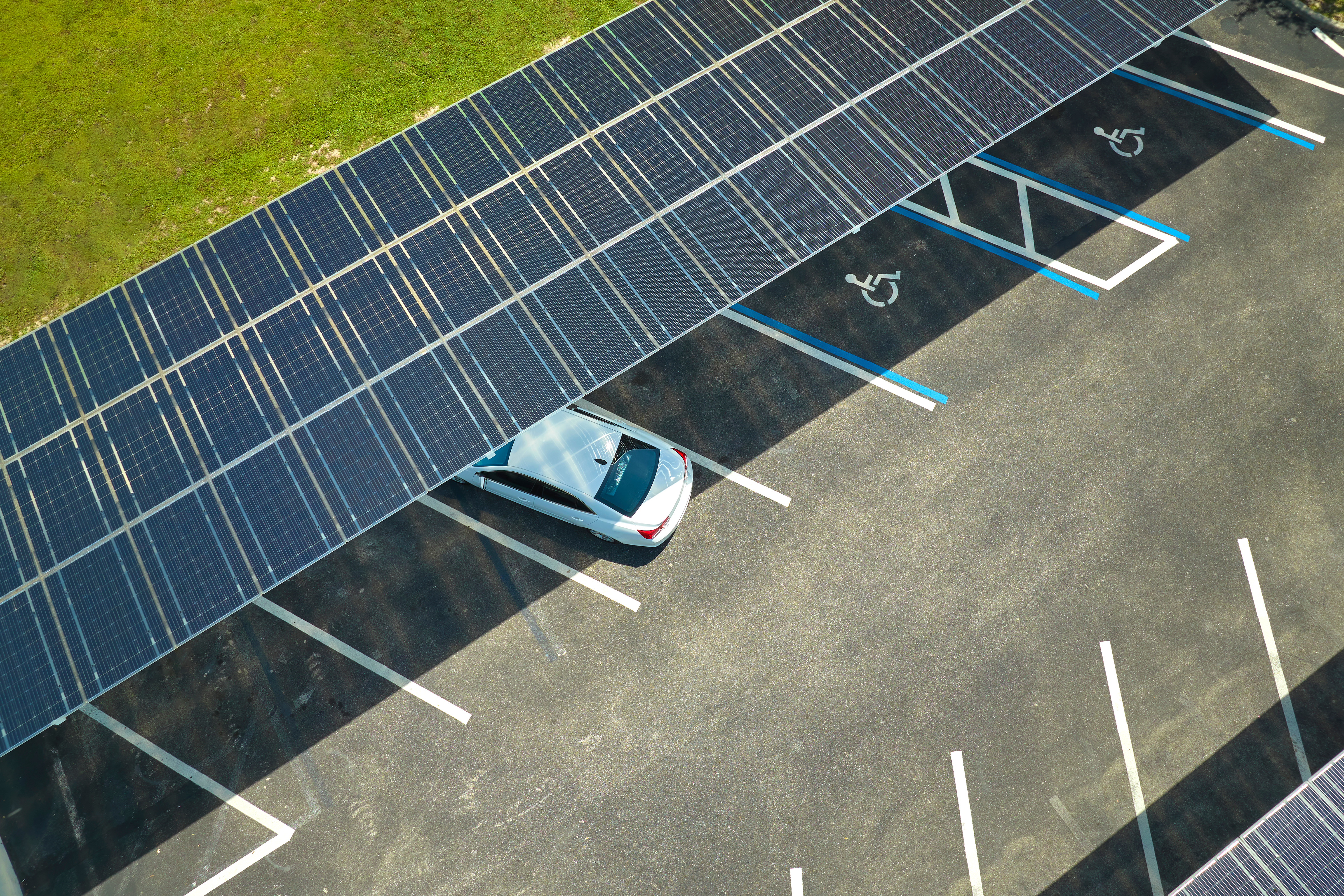
Between Daejeon and Sejong, a median running, solar canopied cycleway turns transport space into power: about 7,500 roof mounted panels shade riders while producing roughly 2,200 MWh a year for local streetlighting and electronic displays. The covered path improves rider comfort and visibility, and its central siting co locates generation with demand along the corridor, reducing cabling to roadside loads. Access is via grade separated entries off the motorway, helping keep cyclists away from traffic while the canopy delivers dependable, grid tied output.
Thailand
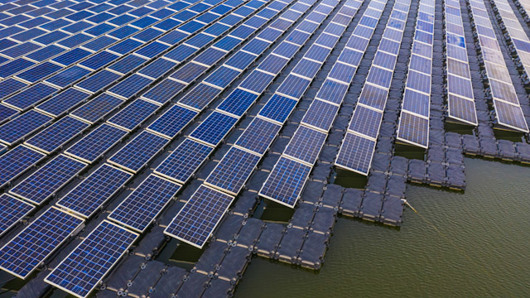
The Electricity Generating Authority of Thailand (EGAT) is expanding hydro floating PV hybrids (building on Sirindhorn) toward ~2,725 MW by 2030. Pairing FPV with hydropower and modern controls enables round the clock renewable output, reduces evaporation, and uses existing grid connections—a powerful model for land constrained growth.
Why these approaches scale
A clear pattern runs through these projects: embedded solar uses rail beds, road medians, vehicle roofs, and reservoirs instead of taking new land, reducing land-use conflicts and shortening cable runs to existing substations or onboard loads.
Maintenance is engineered in, with removable rail panels and FPV moorings designed for rapid access and O&M, and bike‑lane canopies that balance generation with rider comfort and visibility.
There is a focus on system value, not just MWh: pairing hybrids to firm solar with complementary resources and using vehicle‑roof PV to cut idling and auxiliary drain. Power is delivered at or near the point of use, improving the economics of decarbonisation.
Solar energy prospects
The extraordinary growth of solar capacity installations and the monumental efforts of these nations emphasise the critical role of policy support, technological innovation, and investment in achieving sustainable energy goals. As countries continue to prioritise renewable energy and decarbonisation, the solar sector is poised for even greater achievements, paving the way for a cleaner, more sustainable, and energy secure future.
At Eland Cables, we understand the critical importance of robust infrastructure in supporting the global solar energy boom. Our range of solar cables, designed for durability, safety and efficiency, play a crucial role in the installation and maintenance of solar power systems worldwide. Whether for commercial or grid-scale solar projects, Eland Cables offers the expertise and products to meet the demands of this growing industry. We are proud to support this green revolution by providing essential components that ensure seamless integration and reliable performance of solar power systems. At the forefront of this transition, we deliver industry leading products and solutions for efficient power transmission.
Together, we can power a sustainable future.