Energy Systems Are Changing Fast — What It Means for Infrastructure in 2026
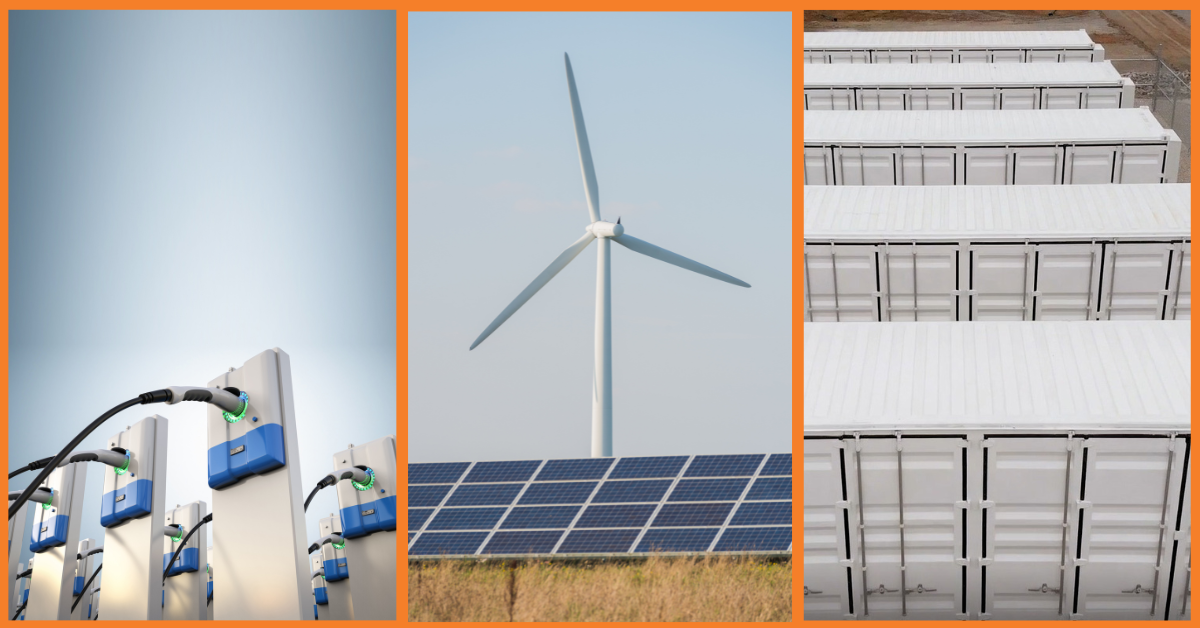
Global energy systems are undergoing rapid transformation, and cable infrastructure is central to enabling this shift. According to the IEA World Energy Outlook 2025, renewable generation capacity is set to expand significantly over the next decade, requiring robust transmission and distribution networks to integrate variable sources into national grids.
Renewable Energy Infrastructure
The solar cable market, valued at USD 2.3 billion in 2024, is projected to reach USD 5.1 billion by 2034, driven by large‑scale photovoltaic installations and distributed rooftop systems. These applications demand cables with enhanced UV resistance, thermal stability, and compliance with IEC 62930 standards to ensure long‑term reliability under outdoor conditions. Similarly, the wind energy cable segment is forecast to grow by USD 5.42 billion between 2024 and 2029 at a CAGR of 8.6%, as offshore and near‑shore projects proliferate; HVDC for long‑distance transmission is accelerating, reducing losses and enabling cross‑border flows. Marine environments impose stringent requirements for subsea cables capable of delivering high performance and resisting harsh conditions and accidental damage.
Insight: Expect increased demand for cables using specialised insulation materials, particularly high‑temperature thermoplastics that improve recyclability and sustainability. As renewable projects scale in size and complexity, cable design will become a critical consideration. Cable specifications capable of withstanding extreme climatic conditions and mechanical stresses will be essential for long‑term reliability. Use of international IEC standards or harmonised European standards support procurement processes and enabling cross‑border standardisation.
Electrification of Transport
Electrification is advancing across multiple transport sectors, creating significant demand for approved cable solutions. Europe continues to expand its electrified rail network under TEN‑T, while the UK remains at approximately 33–40% electrified; OLE requires high tensile strength, flame‑retardant properties, and compliance with EN 50306 and EN 50264. Urban mobility is transforming: electric bus registrations in the EU rose ~49% YoY in 2025, with combined EU, UK, and EFTA units at 9,346. Passenger vehicles follow suit: battery‑electric cars now represent ~18% of new European registrations in 2025. Charging networks are scaling: Europe surpassed one million public charging points in 2024/25, with continued growth driven by policy and investment. For chargepoints, IEC 62893 compliance remains critical; large hubs and wider grid connections require robust MV cables, often DNO‑specific. In enclosed spaces, LSZH materials will continue to play an important role in fire safety.
Insight: The shift to electric transport will increase demand for grid connection cables capable of supporting the EV charging infrastructure. Large-scale charging hubs and wider grid connections will require robust medium voltage cables – often specific to the regional Distribution Network Operator - to support power distribution. For the chargepoints specifically, compliance with IEC 62893 standards, which define safety, reliability, and interoperability requirements for charging cables, will remain critical as networks expand.
In enclosed spaces such tunnels, depots, and station buildings, low-smoke, zero-halogen (LSZH) materials will continue to play an important role in fire safety, helping to minimise toxic emissions in the event of a fire.
Energy Storage Solutions (ESS)
Battery Storage (BESS) is emerging as a transformative technology for grid stability, flexibility, and resilience. Globally, grid‑scale deployments hit 156 GWh through October 2025, up 38% YoY, with a pipeline exceeding ~300 GWh for the year. The UK market has reached 6.9 GW (10.5 GWh) operational in 2025, with 1.4 GW added this year; ~60 GW have planning consent and 6.5 GW are under construction, including multiple 500 MW+ installations.
Insight: Expect BESS to become integral to renewable integration, EV infrastructure, and grid optimisation strategies. Increasing regulation and standardisation will see cable specifications become more aligned across geographies, whilst recognition of the critical nature of this infrastructure will see project owners seek third-party quality marks to verify suitability for extended operational lifespan.To find out more, get in touch today.