The "Hot Hatch" surge: how affordable EVs are rewriting the infrastructure blueprint
The arrival of affordable electric city cars has fundamentally changed the EV landscape. We examine the key aspects of the democratisation of EVs
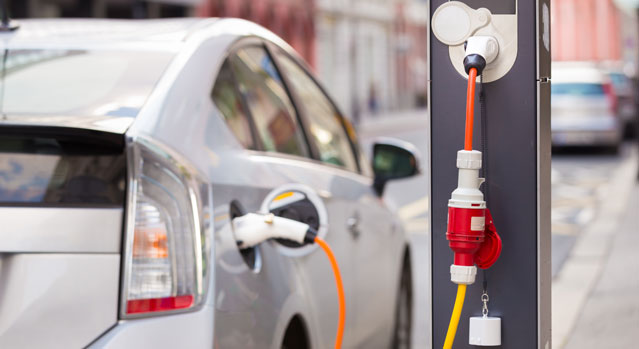
For years, the electric vehicle (EV) market was largely defined by premium saloons and high-end SUVs. While these early models proved the viability of battery technology, their price tags kept mass-market adoption of electric cars just out of reach for the everyday motorist.
That narrative has broken down completely. The arrival of affordable, highly anticipated electric "hot hatches" and compact city cars—led by models like the Renault 5 E-Tech and the Volkswagen ID Polo—has fundamentally changed the EV landscape. This influx of lower-cost, high-volume passenger cars is shifting the industry’s biggest bottleneck away from vehicle affordability and straight onto public and domestic charging networks.
Democratising the electric vehicles
The appeal of the classic hot hatchback has always been its combination of practical daily driving, compact urban footprint, and an easy-to-drive nature. By applying modern electric powertrains to this familiar format, car manufacturers are unlocking an entirely new demographic of buyers:
- urban commuters
- younger drivers
- the environmentally conscious
- multi-car households looking for an efficient mean of transportation
However, smaller vehicles mean compact battery packs. While efficient engineering allows these electric cars to maximize their range, their drivers will inevitably interact with the charging grid differently than the luxury SUV owners. Rather than relying solely on massive, long-range batteries to bypass frequent charging, mass-market drivers will depend heavily on a continuous, seamless cycle of domestic top-ups and rapid urban charging hubs.
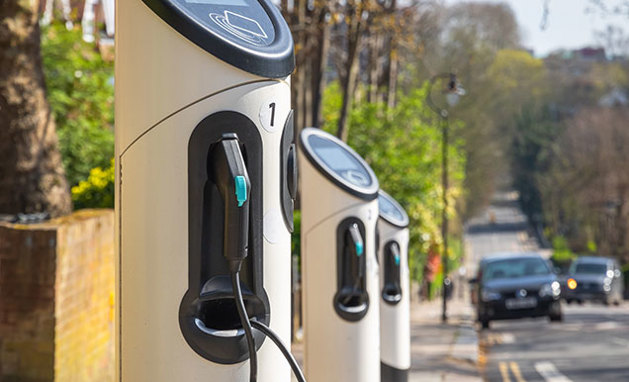
Resolving the domestic and public installation squeeze
With thousands of compact EVs hitting the roads, the pressure is on electrical contractors, building firms, and local authorities to deliver charge points quickly and reliably. This requires a robust grid-to-car philosophy across two distinct fronts:
- The driveway revolution: for homeowners, installing a smart domestic charger is the key to unlocking low-cost, overnight tariffs. Installers are increasingly turning to advanced, future-proof cables solutions like combined power and data cables to streamline these setups. In such instances, integrated architecture ensures that the charger receives both steady electrical currents and hardwired internet connectivity for smart flow monitoring, without requiring separate data containment lines.
- The urban rapid network: because many compact electric cars’ owners live in apartment blocks or housing without private driveways, the public charging network must adapt to meet their needs. On-the-go charging hubs require specialised, high-capacity DC connection cables capable of handling elevated electrical loads to deliver rapid top-ups in 30 minutes or less.
Keeping pace with mass adoption
The mass-market transition is a reality on today's roads. As the barriers to EV ownership disappear and consumer choice broadens into more accessible electric vehicle options, it’s what happens behind-the-scenes that will sustain such transition. The quality, safety, and scalable deployment of the cable technology and infrastructure feeding it - from the single wallbox on a suburban driveway to the high-powered public hubs lining major motorways - remains the vital link keeping the mass-market moving forward.
Many firms are working with local authorities and regional councils to install further charging points to make EV ownership more accessible; for instance, charging infrastructure specialists char.gy have recently been appointed by West Northamptonshire Council to install over 3,000 on-street chargers across the region.
Ultimately, the success of the transition will depend on how effectively industry and local authorities work together to make everyday charging as seamless as refuelling once was.
If you need to discuss your project with us, contact our sales team today.