The core components of rail electrification
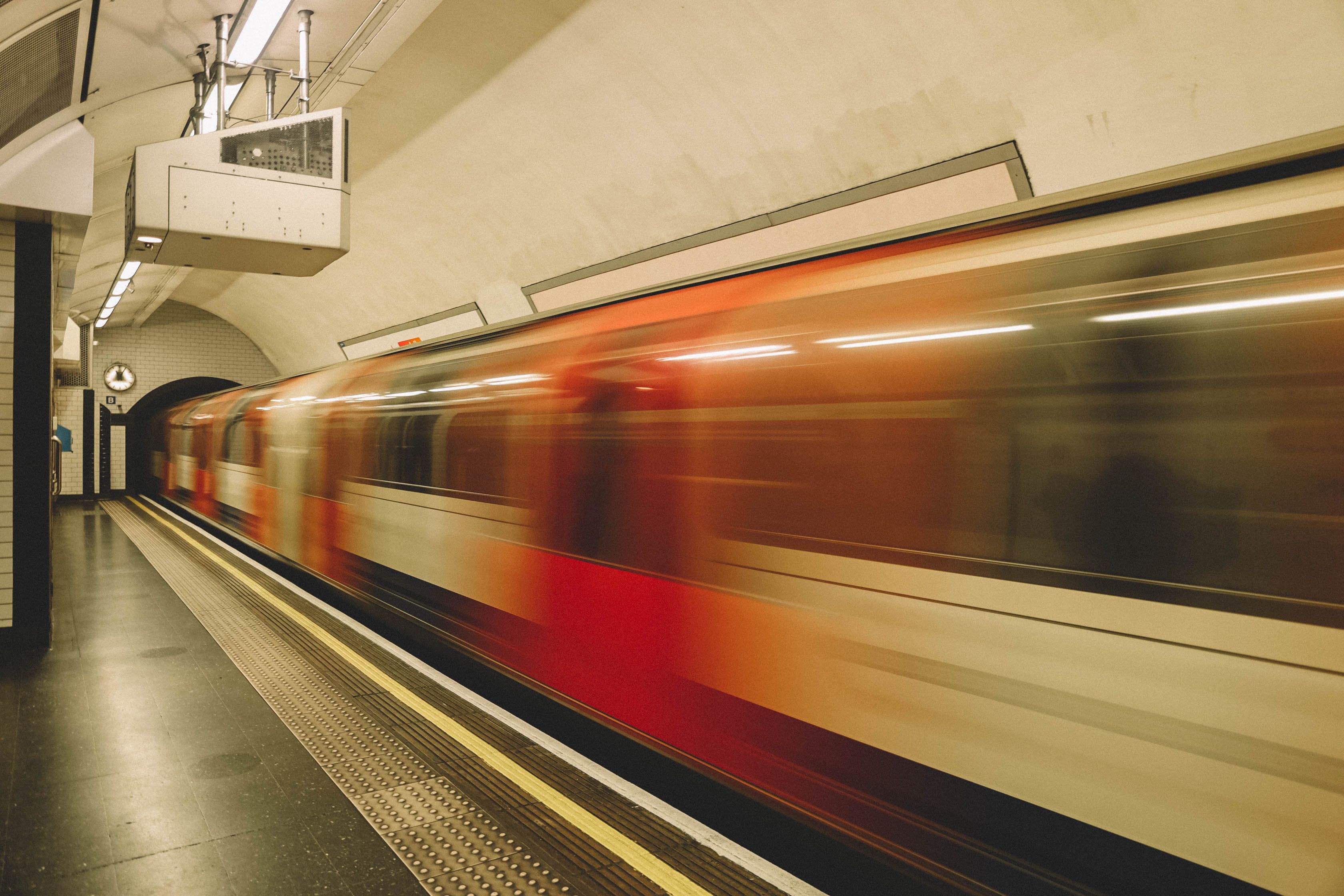
What do you know about the electrification of the railways? By the end of this article, you'll hopefully understand a little more! Rail electrification has a host of benefits: lower carbon emissions, greater efficiency (and likely reduced operating costs), faster journey times, and a more pleasant passenger experience - but those outcomes depend on a complex network of interconnected systems working together behind the scenes.
Let's break them down. It's a mix of the following core components:
- System Infrastructure
- Trackside Power supply (DC electrification)
- Overhead Line Equipment (OLE) or Third Rail Electrification
- Structural modifications and systems integration
- Signalling, telecommunications and specialist cable infrastructure
Every element has a critical role to play in ensuring electricity is delivered safely, reliably and efficiently. Understanding these core components determines how modern railway networks are designed, operated and futureproofed.
The power infrastructure that underpins it all
Every electrified railway begins with a traction power system.
Power supply (DC electrification)
The power supplied to the network needs to be distributed reliably over long distances.
Overhead Line Equipment (OLE)
One method of electrification sees traction power supplied through a network of masts, catenary wires, and contact wires suspended above the track - collectively known as Overhead Line (variously abbreviated as OHL / OLHE / OLE).
This system supports higher-speed operations and heavier traffic volumes by delivering electricity directly to trains with minimal losses. Beyond the visible structures, overhead electrification relies on feeder systems, with infrastructure and specialist electrical components working together to maintain reliable current flow across long distances and varying operating conditions.
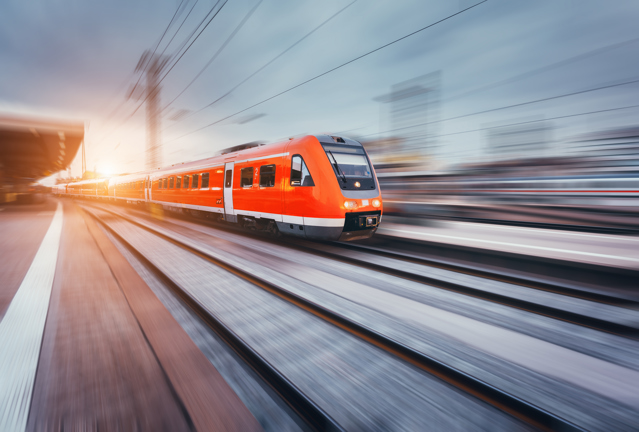
Third Rail Electrification
Another option for electrification is Third Rail where electricity is supplied through a conductor rail mounted alongside the running rails.
Power is collected through shoegear attached to the train. It's a long-established solution for commuter and suburban routes. Supporting infrastructure extends beyond the conductor rail itself, again incorporating substations, feeder systems, signalling assets and specialist railway cables. Reliable current collection, safe insulation, and effective segregation remain critical considerations.
Structural modifications & systems integration
Electrification projects often require significant changes to existing railway infrastructure. In the UK, legacy network and long-established lines were not built with overhead electrification in mind. As a result, it may mean bridges and tunnels need to be raised or modified to provide sufficient clearance for overhead line equipment, while existing trackside layouts may need adapting to suit new power systems safely.
At the same time, signalling, telecommunications and control systems are integrated within the electrified network. Signalling cables, screening conductors and communications infrastructure are there to deliver safe, interference-resistant operation, where power, signalling and operational systems function together as a co-ordinated environment.
Our role in supporting the Rail industry
As a leading supplier of cables and overhead line solutions to Network Rail, Eland Cables supports rail projects across power supply, signalling, control, communications and rolling-stock applications.
Our expertise extends from cable selection and technical guidance, including on matched accessories and installation parameters, through to project logistics and just-in-time trackside delivery, helping railway operators and contractors deliver both major infrastructure upgrades and day-to-day maintenance activities.
With experience supporting projects across the UK and internationally, we continue to provide the infrastructure solutions needed to help modern rail networks operate safely, efficiently and reliably.
Speak to our Sales team today to discuss your cable needs.


